

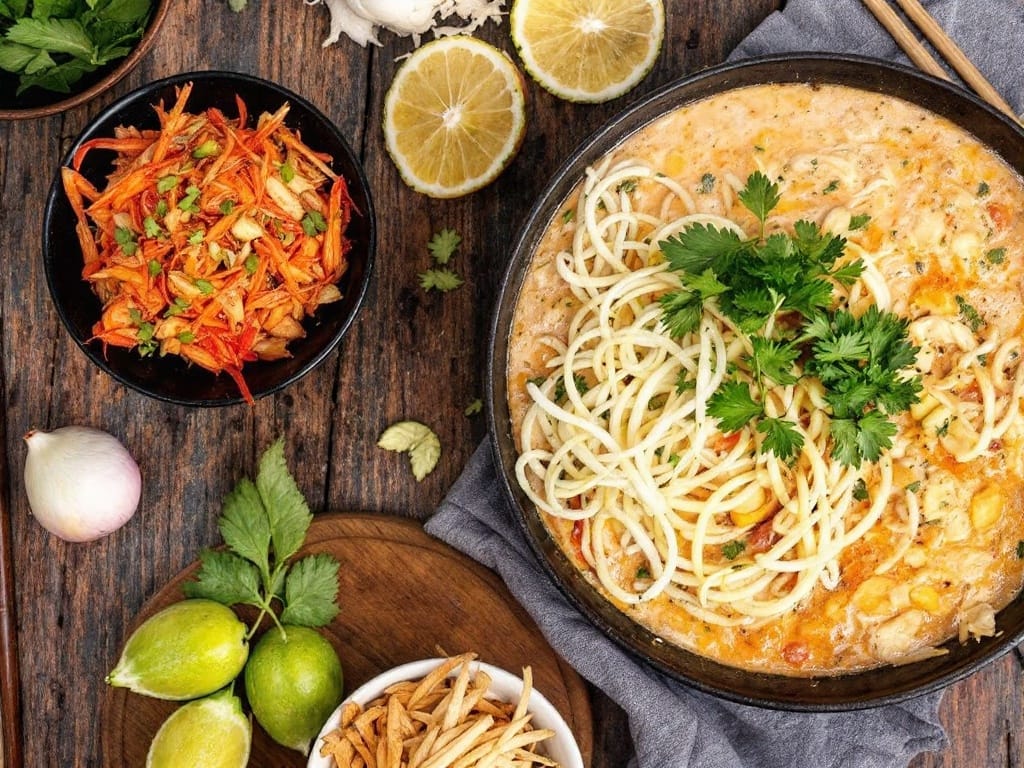
Originating from Thailand, Thai curry is a popular dish in Thai cuisine and a must-try for anyone visiting Thailand or wanting to experience the culture. Thai curry is made from curry paste, coconut milk or water, meat and/or seafood, vegetables or fruit and herbs. Unlike Indian curries which use a lot of dried herbs, Thai curries use fresh herbs, aromatic leaves and rhizomes. Thai curry is now extremely popular worldwide due to its unique flavour profile, its diverse colours, the coconut milk base which gives the meal a comforting and rich texture and how readily available these curries now are.
Types of Thai Curry
There are lots of different varieties of Thai curry, some are spicier than others, some have a mild flavour, others have a sour flavour. To help you to understand spicy vs mild curries and choose which one you want to try first, here is a breakdown of the different Thai curry options:
Green Curry
The most popular of the Thai curries, Thai Green Curry is a spicy and sweet dish that is made from copious amounts of coconut milk and lime juice, and usually contains green chillis and eggplant. The sauce for a Thai green curry is made from Thai basil, green chilli, lime leaves, blue ginger, garlic, turmeric, shallots and kra chai. If you have ever wondered what gives Thai green curry its vibrant colour and heat, it is a combination of these ingredients.
Red Curry
The spiciest of the Thai curries, Thei red curry originates from central Thailand and its colour comes from the large amount of red chillis used to make the dish. As well as red chilli, the paste for this dish also includes shallots, garlic, lemongrass and blue ginger, this paste is then mixed with coconut milk which produces the fiery red curry sauce.
Yellow Curry
Thai Yellow Curry varies from region to region although all varieties include a lot of turmeric, and may also include yellow mustard seeds, kaffir lime leaves and cumin, this turmeric is what gives the curry its yellow colour. Some yellow curries will be very rich in flavour and texture, due to the coconut cream they contain. Other varieties of yellow-coloured curries include gold curry, elephant curry and orange curry. Gold curry is spiciest of the yellow curry varieties, elephant curry is also spicy, but it is made without coconut milk, orange curry is also made without coconut milk and it is very sour in flavour.
Traditional vs Fusion curries
The above are all traditional Thai curries, but they aren’t the only popular Thai curries. There are some other Thai fusion curries that take inspiration from other Asian curries and add ingredients not usually found in Thai curries, such as garam masala.
Panang Curry
A favourite in central Thailand, Panang curry derives from Laos and it is milder and more subtly flavoured than the other Thai curries in this list. Panang curry is made from coconut milk, dried chilis, garlic, shallots, cumin, cilantro, lemongrass, kaffir lime leaves, blue ginger, and some paste, it may also contain peanuts.
Massaman Curry
Popular in central and southern Thailand, this curry is influenced by other Asian curries. How is Massaman curry influenced by Persian and Indian flavours? Unlike other Thai curries, this curry isn’t as spicy and it doesn’t use as many chillies. Instead, this is includes peanuts, potatoes, and coconut milk, giving it a rich, creamy, and slightly sweet flavour, and cardamom, cloves, nutmeg, cumin, and cinnamon to add a smoky and slighty nutty taste. For a full list of all the ingredients in this curry and a preparation method, find an authentic massaman curry recipe.
As you can see, Thai curry varies and there are a number of regional styles. Central Thailand prefers a creamy green curry, whereas southern Thailand’s preference is a fiery jungle curry.
Thai Curry Paste
All Thai curries begin with a Thai curry paste, which can be made from scratch, or can be bought pre-made in jars from most shops and supermarkets. Typically Thai curry paste contains the following ingredients:
- Chillies: The type of chilli used varies depending on the type of curry you’re trying to make because it is this that determines both the flavour and colour of the paste. The most common chilli’s found in Thai curry paste is dried red spur chilli.
- Lemongrass: This is one of the key ingredients in many Thai curries.
- Shrimp paste: This is another key ingredient found in many Thai curries, you may be wondering what’s the role of shrimp paste in Thai curry paste? The answer is, because of its unami. This adds a deep, savoury flavour that enhances the overall flavour of the curry.
- Shallots and garlic: These add flavour and aroma to the curry. For a stronger aroma, the shallots and garlic are drizzled with oil, wrapped in foil, and then roasted in the oven.
- Lime: Both the juice and zest are used to make the paste.
- Galangal: This root vegetable is part of the ginger family.
- Coriander: The stalks, roots and leaves can all be used in Thai curries.
- Cumin: This spice is often dry-fried and then grinded before being used to make the paste.
- Black peppercorn: To give the paste a strong flavour and some heat.
These ingredients are either blended in a food processor, or crushed with a mortar and pestle, until they are well mixed and a smooth paste. Although this paste is primarily used to make a curry, it can also sometimes be used as a marinade for a stir-fry or as a condiment.
The importance of coconut milk
Why is coconut milk essential for authentic Thai curry texture? Thai curry is renowned for its thick and luscious consistency, without this defining characteristic, the curry wouldn’t be an authentic Thai curry. Using an alternative to coconut milk, even a low-fat coconut milk, would be detrimental to the signature texture and the flavour profile of the dish. The natural fat content in coconut milk is a major contributor to the velvety texture that makes Thai curries unique.
As well as playing a massive role in the texture of the curry, coconut milk is also important for:
- Creating the right consistency. As it simmers, coconut milk thickens naturally, creating a sauce that deliciously coats the other ingredients.
- Balancing flavour. Thai curry, especially red and green curries, are spicy. One of the distinguishing features of a Thai curry is the perfect balance of flavours. But how to balance sweet, salty, sour, and spicy in Thai curries? The answer is simple, Coconut milk. Coconut milk provides the solution to balancing curry flavours. The creamy and mild sweetness of the coconut milk balances out the spicy, sour and salty elements of the curry flavour, to create a well-balanced taste.
- Authenticity. The authentic green curry, as most Thai curries, are made with coconut milk, that much is known by everyone. So when a curry is made with a coconut milk alternative, it doesn’t taste authentic, it loses that authenticity.
Coconut Milk Tips:
As coconut milk is such an important part of Thai curries, it is important that you get this element exactly right. To help you, here are some coconut milk tips:
- Choose the right coconut milk. When you buy tinned or pre-packaged coconut milk, always check the ingredients to see the percentage of coconut extract. Ideally, use a coconut milk that has a 40% or more coconut extract. The other ingredients in the can/package will be water thickeners, emulsifiers and stabilisers, and these affect both the consistency and the flavour of the curry.
- Cook on a low heat. If you cook the coconut milk on a high heat and/or boil it, you can cause it to curdle, effectively ruining the entire curry. Before you add coconut milk to a curry paste, you should turn the heat down to a low heat, then once the milk is added, simmer the curry on a low heat for a few minutes.
- Stir-fry the paste first. One of the most common questions people ask is do they cook the paste or the coconut milk first? Always stir-fry the paste first, once this has been heated, turn the heat down and then add the coconut milk. Never cook the milk first because once the milk has been added, the temperature needs to be kept low, and this low temperature won’t cook the paste sufficiently enough.
If you add too much coconut milk, don’t panic, there are some things you can do to fix it:
- If the flavour of the coconut is too rich you can add a bit of acidity, such as lime juice or tamarind, to balance the flavour.
- If you don’t want to (or can’t) use an acidity to balance the flavour, you can add a bit of baking soda instead, this neutralises the coconut flavour.
- For curries that have become too thin due to too much coconut milk, mix a little bit of cornstarch with water, creating a slurry, and add this to the curry. This will thicken the sauce without affecting the flavour of the curry.
Thai herbs guide
Although herbs do not add spice to the curry, the flavours of Thai food do come from the interaction of herbs with the spices, paste and coconut milk.
Which herbs (e.g. lemongrass, galangal) are non-negotiable? This Thai herbs guide will help to point you in the right direction:
- Lemongrass: a tall, slender herb that offers a fresh, citrusy flavour with hints of lemon and ginger.
- Galangal: similar to ginger, galangal has a sharper and peppery flavour.
- Turmeric: with a slightly bitter flavour, this is an essential ingredient.
- Kaffir Lime Leaves and Rind: citrusy in aroma fragrance, they add a zesty note.
- Fresh Coriander Roots: often used as a garnish, the roots of this herb playa a crucial role in Thai pastes as they have a more intense flavour than the leaves, with an earthy and slightly citrusy notes.
- Green Peppercorns: unripe pepper berries that add a mild heat and fresh, zesty flavour.
- Dried Spices: Some dried spices are used alongside these fresh herbs to build the flavour, this includes: coriander seeds, cumin and star anise, among others.
Best rice for curry
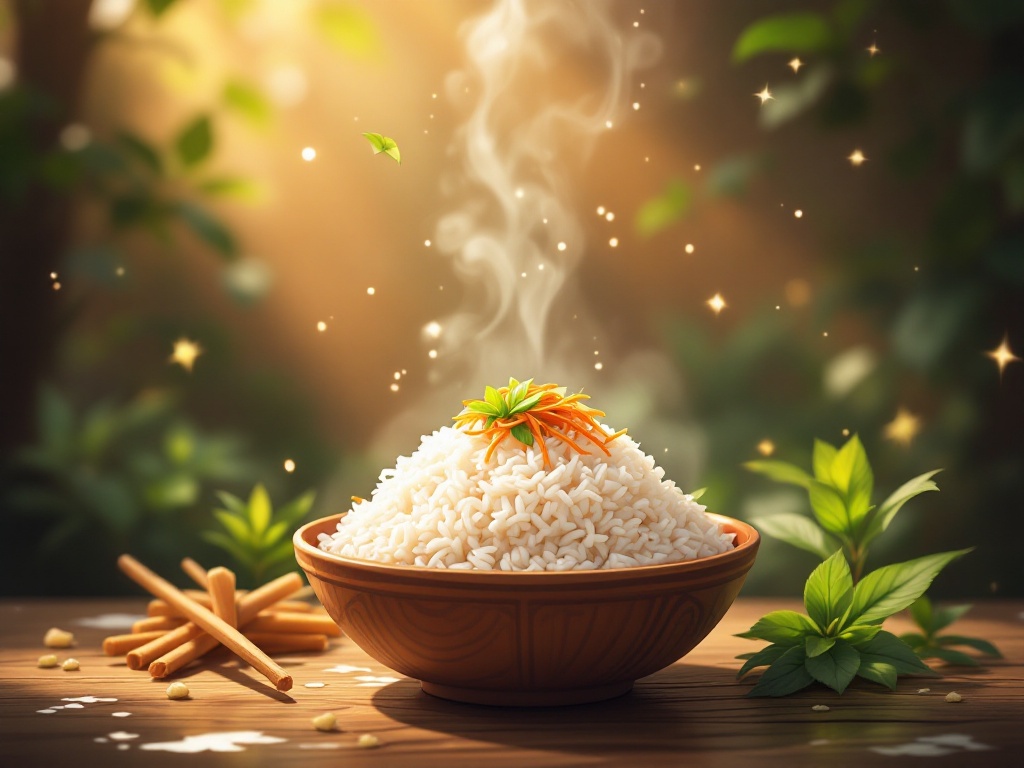
When it comes to serving (or ordering) Thai curry, you might be wondering what is the best rice for curry? The answer is simple, Thai Jasmine Rice (also known as Hom Mali) is almost always the go-to choice. Jasmine rice is Thailand’s most popular rice, this is part of the long-grain variety but with a softer and stickier consistency. This rice can easily be identified by its subtle floral Jasmine aroma and it is a perfect accompaniment for all of the classic Thai dishes, as well as grilled meat and seafood dishes, rich sauce dishes and even fried rice meals.
Street Food vs Fine Dining: How presentation and complexity differ
If you’re wondering how do street vendors achieve such intense curry flavours? The answer is simple, they use a selection of focus on bold, punchy flavours with a handful of ingredients in their street food curries. Their curries are less complex, but still bold, and they are presented in a format that is easy to eat, with less focus on aesthetics and a primary focus on ease for the consumer.
Fine dining, on the other hand, explores more complex flavour profiles, often using rare or unique ingredients, as well as techniques such as molecular gastronomy. When served, the meal created by fine dining establishments are carefully and beautifully presented and garnished.
Cooking Thai Curry at Home
Thai curries are very popular in restaurants, but they are also becoming a common meal for people to try to replicate at home. If you’d like to try to recreate some of these authentic and delicious Thai curries, you might benefit from this guide we have put together:
What meats or vegetables pair best with each curry type?
One thing most people aren’t sure of, is what meats or vegetables to use with each of the different curries. Here is a brief breakdown:
- Green curries benefit from lighter meats and vegetables, chicken is perfect, as are bell peppers and egg plants.
- Red curries with their spicier zing work well with sweeter and richer protein choices, such as duck or shrimp.
- Yellow curry, with its milder flavours, are perfect with vegetables such as cauliflower, chickpeas, peas and tofu.
- Massaman curry works well with beef, as well as potatoes, onions and carrots.
- Panang curry is usually made with strips of beef, but you can also use chicken, fish or tofu.
Can you make a quick Thai curry without compromising on flavour?
You’ll be pleased to know, the answer is yes, you can make a quick Thai curry without compromising on flavour. To do this you need to:
- Use a good quality curry paste: Choose a reputable brand of curry paste, one that is authentic and includes all the ingredients you would expect to include in a paste yourself if you made it from scratch.
- Choose the right coconut milk: Using a full-fat coconut milk will give your Thai curry the best flavour, giving it a lot of creaminess and the perfect texture.
- Add fish sauce: Adding a splash of fish sauce adds umami depth.
- Include an acidic element: To balance the flavours, add a squeeze of lime juice or a splash of vinegar.
- Use fresh herbs: Once cooked, serve the curry with a garnish of fresh cilantro, basil, or kaffir lime leaves.
What are common mistakes when cooking Thai curries at home?
To get the best flavour when cooking your Thai curry, you should avoid making some of the common mistakes other people have made. These include:
- Using old ingredients, such as stale spices, vegetables, and meat, will dramatically impact both the flavour and aroma of the Thai curry.
- Using the wrong spices. Using the correct spice blends is crucial for creating the right flavour and aroma.
- Overcooking or undercooking the ingredients not only impacts the flavour, but also the texture of the curry.
- Separating the coconut milk by adding it first or heating it at a high temperature.
- Not balancing the flavours in the curry.
- Not using enough aromatic ingredients such as onion, garlic, and ginger, all of which enhances the flavour.
- Not adding additional ingredients to add complexity, such as rice vinegar and sugar.
Something for everyone
We could go on, there are so many other things we could talk about when it comes to Thai curries, because they are delicious, unique and they are becoming more and more popular around the world. More restaurants, not just Thai restaurants, are starting to create and serve these delicious recipes, and now people are even recreating these simple, but effective meals at home. Not only are these curries healthy and delicious, but they also come in so many varieties that there is sure to be something for everyone.
If you haven’t yet tried a Thai curry, what are you waiting for?
Want to know more about Thai Food: Explore the top 10 most popular Thai dishes to find your next favourite.