

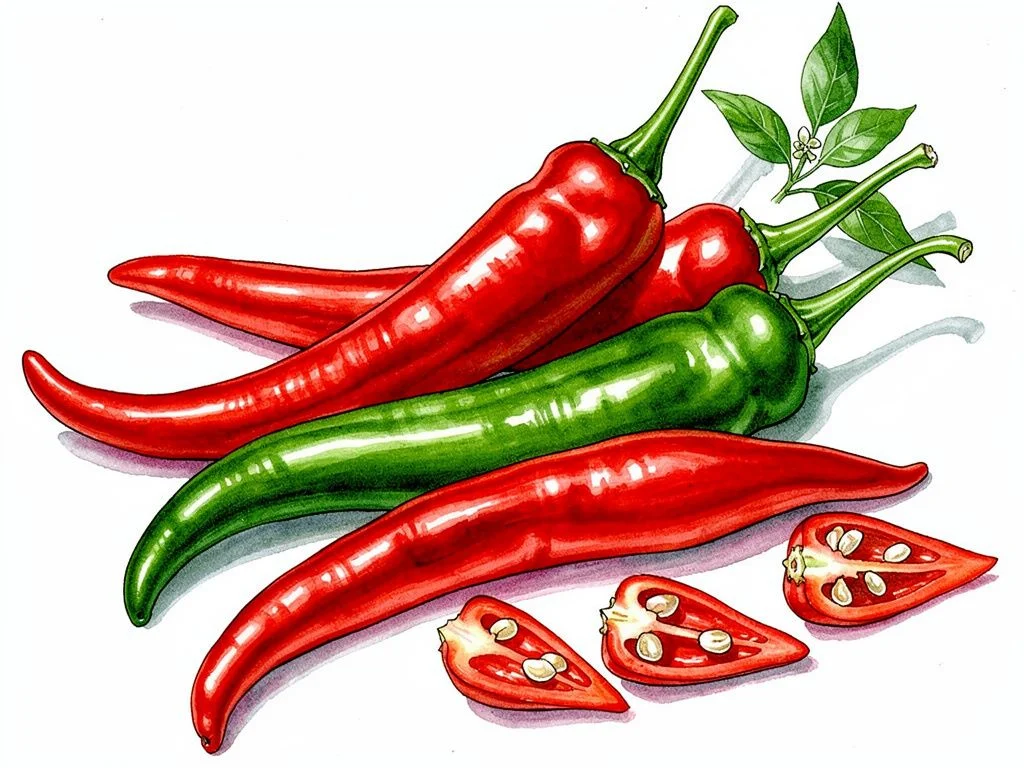
The spice and heat that has become synonymous with Thai cuisine is unlike any other spicy food. Thai chili heat is a combination of immediate and intense spice which is typically paired with other strong flavours, like lemongrass and galangal. Whereas other spicy foods, like Indian cuisine is often more of a slower heat, where the spices are combined with flavour such as milk and butter, which mask the heat initially. If you’re a fan of spicy food, you may have wondered if Thai chili heat is different, as spice lovers, we can assure you, it is. Let’s take a look at what makes Thai chili heat different to other spicy food.
It’s all about the chili peppers
The spicy Thai flavour that we’ve all come to know and love primarily comes from chili peppers, containing the compound capsaicin. This includes fresh chilis like bird’s eye chili which is known for its intense heat, as well as dried chilis which adds a smoky flavour and creates an intense heat. Alongside this, chili pastes like nam prik and Sriracha, are created by combining chili peppers with ingredients such as garlic and shrimp paste. Other sources of heat in Thai cuisine include black peppercorns, adding a pungent sensation, and spices like garlic and ginger, creating a burning sensation.
Want to experience these flavours first-hand? View our à la carte menu and find your perfect level of heat.
What is the compound capsaicin?
Capsaicin is a chemical compound that is responsible for the pungency in chili peppers, it is what creates the burning sensation. The capsaicin intensity of a chili pepper is measured using the Scoville scale, its units are expressed as Scoville Heat Units (SHU). The Scoville Scale is a standard system for quantifying heat levels, ranging from 0 SHU to 16,000,000 SHU. The Thai spice level is significantly hotter than other spicy food because it includes Thai chili peppers which typically range from 50,000 to 100,000 (SHU).
Chili Heat Profile Breakdown
Each chili pepper has its own SHU. To appreciate spicy Thai flavour and ascertain how spicy a dish will be, you should check what chili peppers are included in the meal and cross-reference it with this chili heat profile breakdown below:
- Bell peppers: 0 SHU, no heat
- Jalapeño: 2,500-8,000 SHU, moderate heat
- Cayenne: 30,000-50,000 SHU, hot
- Habanero: 100,000-350,000 SHU, very hot
- Ghost Pepper: 1,000,000 SHU, extreme
- Carolina Reaper: 1,400,000-2,200,000 SHU, very extreme
- Pepper X: 2,693,000 SHU, hottest
How Thai hot peppers varies
Although the above is a good starting point to understand chili heat profile, the heat of chilis can also vary due to:
- Growing conditions: chilis, even within the same variety, can vary in spice levels. The location the plant is grown in, the soil used to grow the chili and the specific plant can all cause variations in the spice level of the chili.
- Ripeness: when the chilis are harvested and how ripe they are will impact on how spicy they are.
- Preparation: chefs can adjust the chilis that they use and how many they include in a dish to make the meal milder or spicier, to better suit different palettes.
At Siamais, our chefs are happy to adjust the heat to your preference. Reserve a table and let us know how you like it.