

A harmonious combination of all four key flavour profiles, sweet, salty, spicy and sour, Thai food is complex, delicious and perfect for all pallets. Thai flavour balance is a meticulous art form, with each dish having a prominent taste, while the other three flavours are layered into the meal to both balance it and enrich the overall taste. Influenced by India, China and Southeast Asia, Thai cuisine offers a wide range of options, from stir-fries, to curries, and in a range of flavours, from mild to spicy.
Heat levels in Thai dishes
Thai food ranges in spice levels and heat, from mild to very hot. To order a dish in a specific heat, you need to understand the full range available:
- No spice, otherwise known as “Mai phet”.
- Mildly spiced, in Thai this is known as “Phet noy” (a little spicy).
- Medium, otherwise known as “Pet”.
- Very spicy or in Thai, “Pet mak”.
- Extra spicy, known as “Phet mak mak”, which is very, very spicy.
The Thai seasoning profile masterfully balances the fundamental tastes: sweet-sour-salty-spicy, using ingredients such as:
- fish sauce = salty
- coconut milk or palm sugar = sweet
- lime juice or tamarind = sour
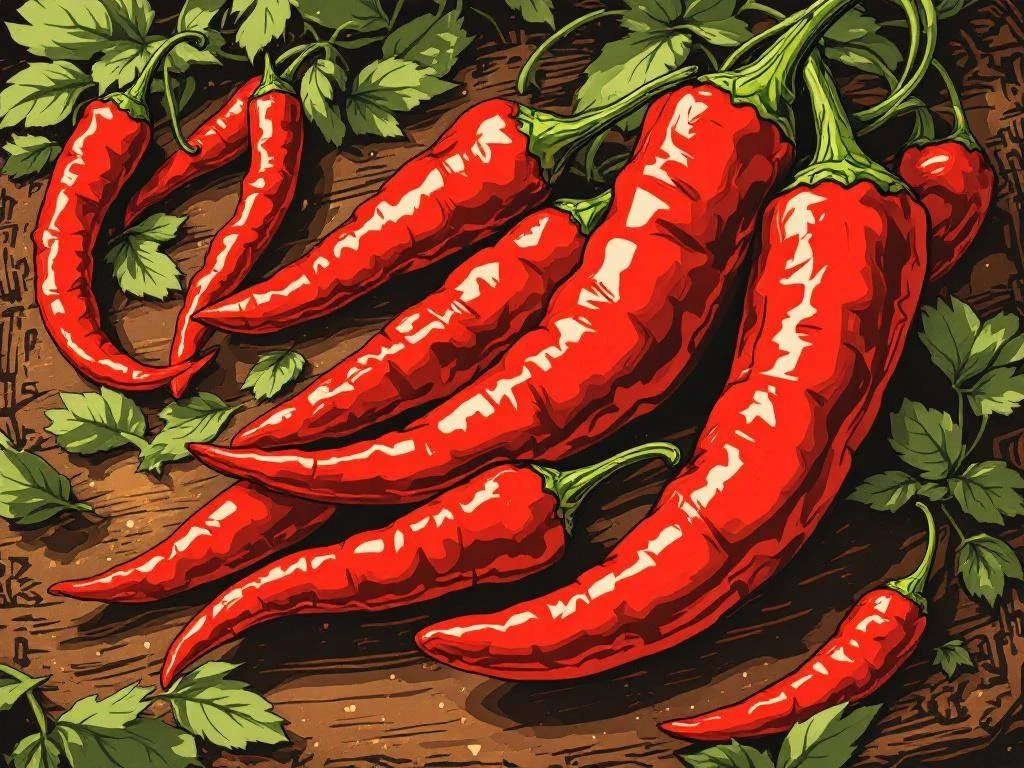
- chili peppers = spicy
Aromatic components including lemongrass, garlic, galangal, shallots, kaffir lime leaves, cilantro, and Thai basil help to create the balance and add to the complexity.
Non-spicy Thai options
The idea that Thai food is always spicy is a myth, if you don’t like spice there are plenty of Thai dishes you can enjoy, including:
- Pad Thai: often though of as the national dish of Thailand, this dish consists of stir-fried rice noodles, combined with eggs, peanuts, tamarind sauce, vegetables, and protein, such as chicken, pork, beef, fish or tofu.
- Khao Pad: fried rice mixed with egg, vegetables, meat and/or fish, or tofu.
- Pad See Ew: Stir-fried noodles cooked in a sweet black soy sauce, with garlic, vegetables and protein in the form of meat, fish, or tofu.
- Tom Kha: this soup is made from coconut milk, which is combined with galangal, lemongrass, and mushrooms, along with chicken, variations of this soup might include beef, pork, fish or tofu, and vegetables.
- Pad Med Mamuang: stir-fried cashew nuts and vegetables in a sweet-salty sauce, with either meat, fish or tofu.
- Pad Gratiem Prik Thai: crispy fried garlic and pepper, stir-fried with the protein of your choice.
- Kai Jeow: essentially an omelette which is made with fish and soy sauce, combined with herbs and either protein and/or vegetables.
Mild Thai dishes
For those who like a mild spice, there are lots of flavourful options, including:
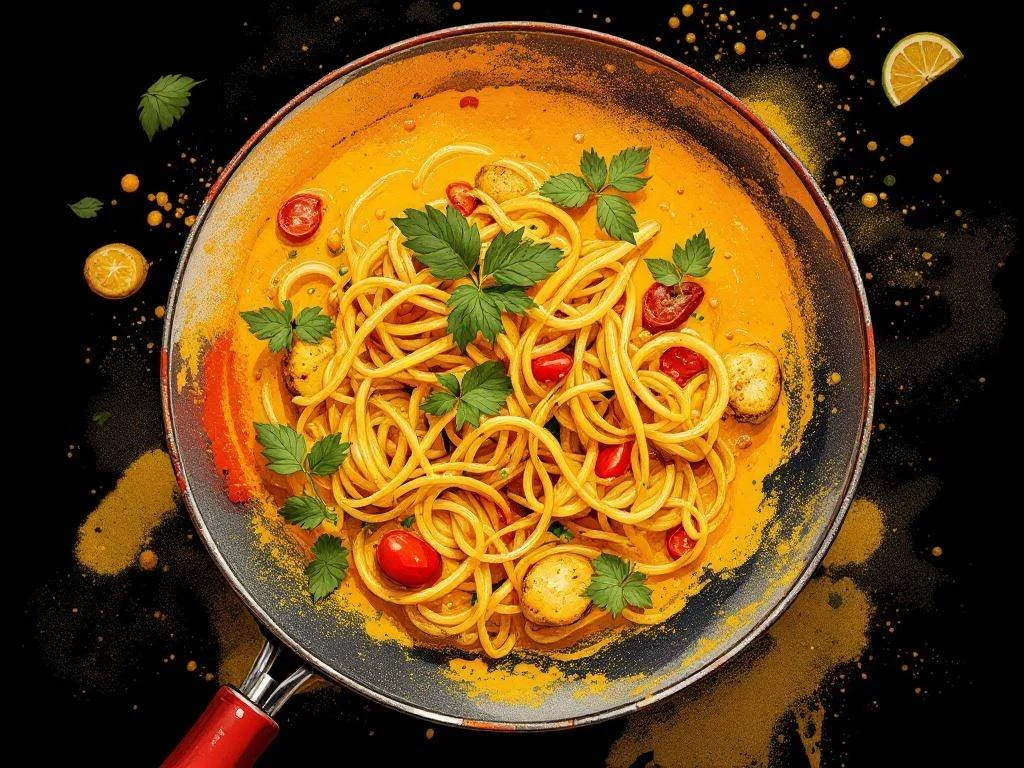
- Yellow curry: the mildest of all Thai curries, packed with potatoes in a creamy coconut milk.
- Satay: small pieces of meat, seafood or vegetables seasoned in a peanut-based sauce, skewered and grilled over charcoal.
- Mango sticky rice: made with sweet sticky rice, topped with fresh mango and coconut cream.
- Khao kha moo: slices of sweet, savoury red pork, served over fluffy rice.
- Massaman curry: this fusion dish, combines ingredients from Persia, India and the Malay Archipelago, made with coconut milk, potatoes, and beef or chicken.
- Pla pao: Thai grilled fish cooked with lime, garlic, and herbs.
Spicy Thai cuisine
Hot Thai cuisine gets its heat from spicy Thai peppers, such as the common Bird’s eye chili, which is often 5 to 7 times hotter than a jalapeño. Some of the most popular spicy Thai dishes include:
- Gaeng Pa: known as Jungle Curry, this thin curry has no coconut milk, but is often made of a combination of meats and vegetables.
- Gaeng Som: a sour curry that is fiercely spicy flavoured with turmeric and often made with fish and vegetables.
- Som Tum: a green papaya salad made with shredded green papaya, tomatoes, and long beans, coated in a chili, lime, and fish sauce.
- Tom Yum Goong: shrimp soup with a hot and sour flavour, with lemongrass, galangal, kaffir lime leaves, and lots of chili.
- Pad Krapow: a classic meat stir-fry with holy basil, chilies, and garlic.
- Kua Kling: a dry-fried curry made with minced meat and a very strong chili flavour.