

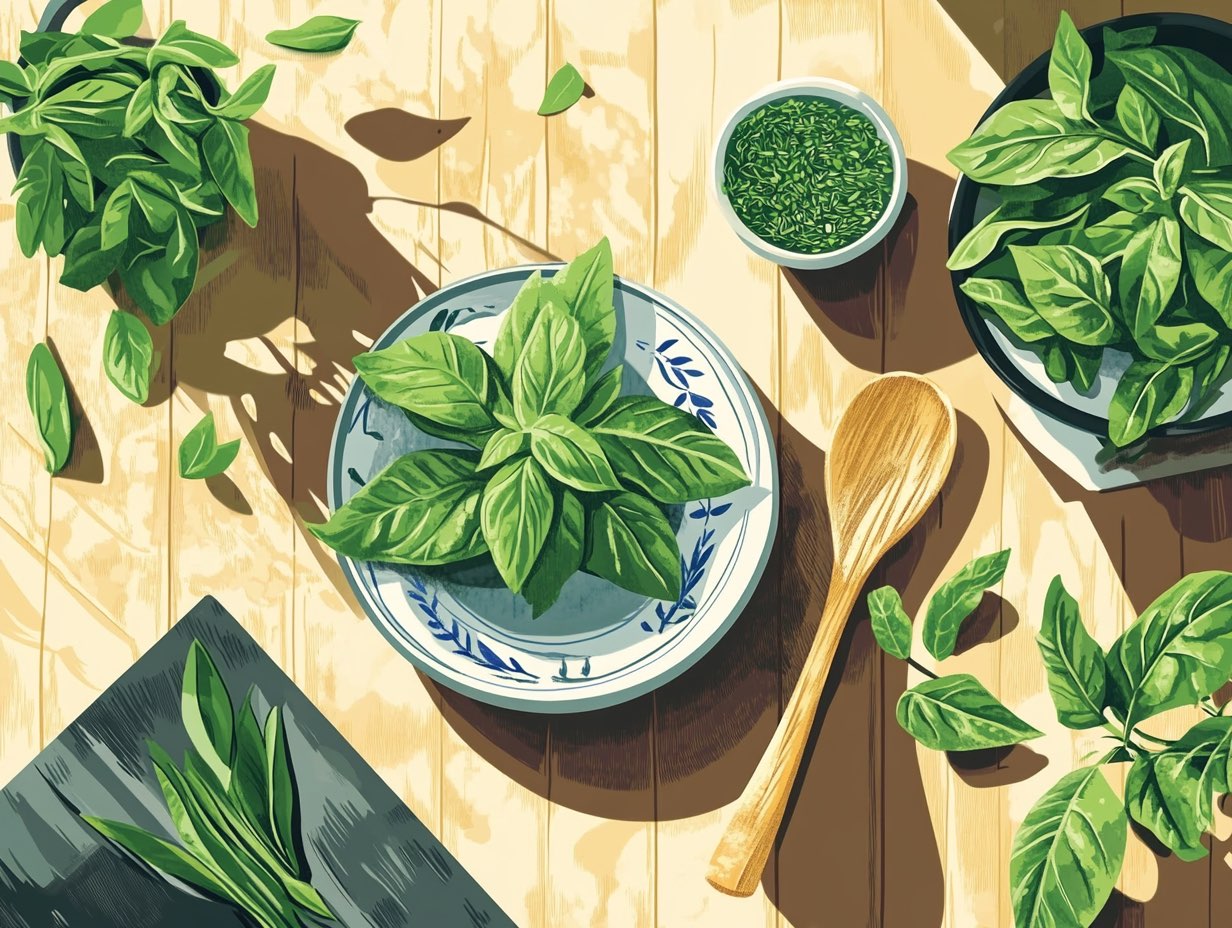
Thai food is world renowned for its rich flavours and delicious variety of ingredients, balanced with its aromatic herbs and fresh fragrances. It has a distinct aroma, complex flavours and a range of textures, created in large part by the Thai herbs used in its dishes. Thai food is heavily reliant on a range of herbs, which contribute to a unique balance of sweet, sour, salty and spicy flavours, as well as providing an abundance of health benefits.

Common Thai Herbs
Numerous herbs form a vital part of Thai cuisine, some of the most common Thai herbs include:
Thai Basil:
Thai basil has been cultivated to provide distinctive traits. Slightly spicy, its flavour is described as liquorice-like, with an anise-like scent. This herb is commonly found in dishes like Pad Krapow, Thai green curry, Thai red curry and sanbeiji (three-cup chicken). Thai basil has many health benefits:
- High in antioxidants, this herb helps to protect cells and chromosomes from damage.
- Its magnesium content lowers blood pressure by relaxing blood vessels.
- The essential oils in this herb have anti-inflammatory properties, helping conditions like rheumatoid arthritis.
- Lowering LDL cholesterol and increasing HDL cholesterol.
- Essential oils and aromatic compounds can help to ease breathing and relieve respiratory conditions, such as bronchitis and asthma.
- The aroma of bruised Thai basil leaves can help to reduce stress.
- Rich in vitamins A, C, and E, as well as fibre, potassium, manganese, copper, and magnesium.
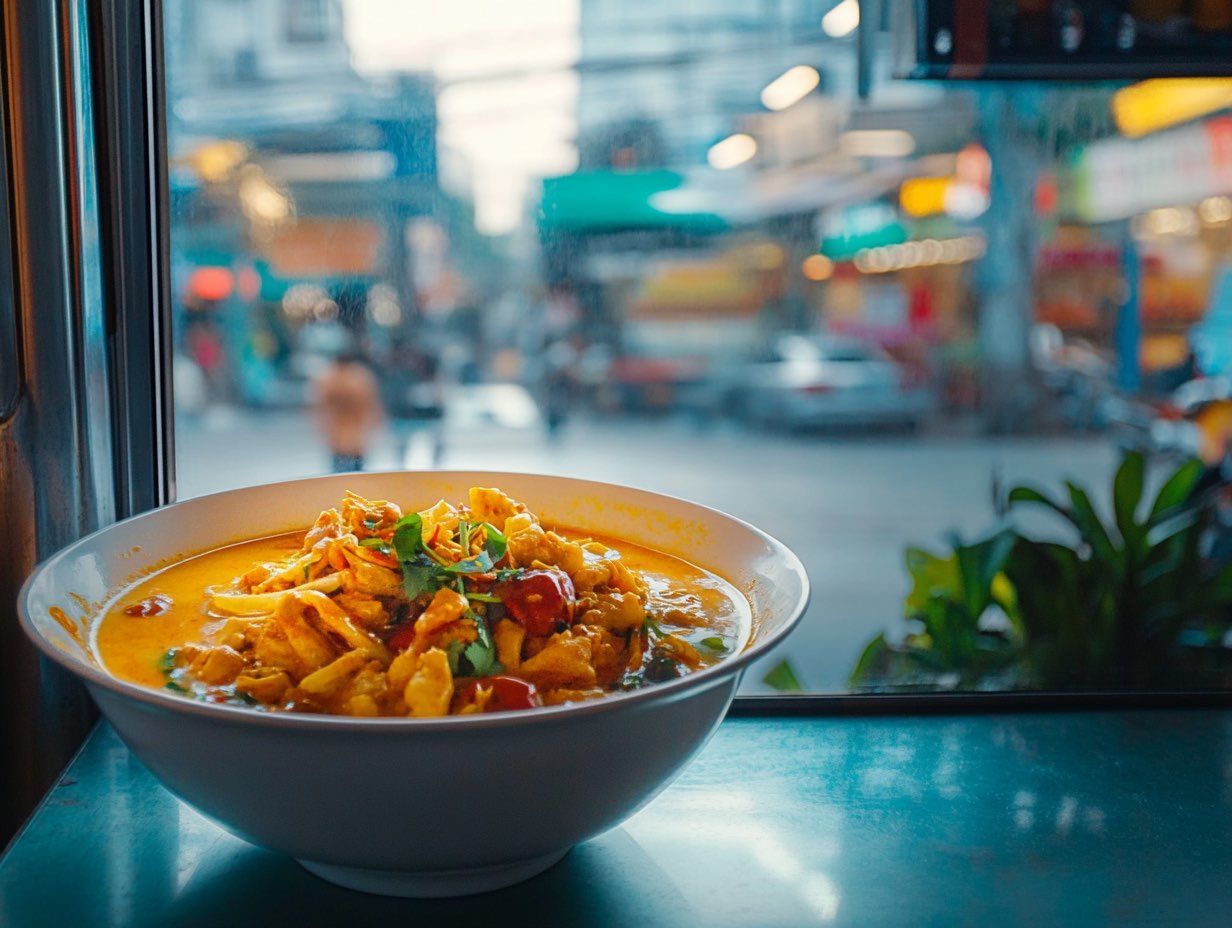
Lemongrass:
This herb has an aromatic citrus scent and a complex flavour which is a unique combination of tart lemon, floral notes, and a hint of ginger which is slightly sweet and tangy. Lemongrass is a versatile herb that can be used in a range of dishes from sauces, soup and meats, to curries, teas and stocks, to salads and marinades, and even infused with water to make a refreshing tea. Common Thai dishes that include lemongrass include Tom Yum, Massaman curry, Thai green curry Lemongrass Thai chicken, and Pad Thai. The abundance of lemongrass health benefits include:
- Rich in antioxidants, this plant helps to fight free radicals that can lead to cancer and premature aging.
- Chlorogenic acid, isoorientin, and swertiajaponin are compounds in lemongrass that help to fight inflammation.
- Can help to relieve mild pain, such as headaches, cramps and muscular soreness.
- Helps digestion and bloating due to its natural diuretic properties.
- Tea made from lemongrass has little calories, but it does make you feel full, which can help with weight loss.
- As an essential oil, it can relieve stress and also has antifungal properties.
Cilantro (Coriander):
All parts of the coriander plant are edible, with its complex flavours varying depending on the part of the plant used and how it is prepared. The leaves of the coriander plant have a fresh and citrus taste that is both floral and lemon-like, its aroma is fresh and strong. Coriander seeds, on the other hand, have an earthy and sweet flavour with a floral aroma, when toasted these seeds release their aromatic oils. Meanwhile, ground coriander has an intense and bright citrus flavour that has an undertone of pepper. Many Thai dishes use coriander, including curries, soups, and marinades, as well as noodles and dips. Health benefits include:
- Antioxidants that help to protect cells from oxidative stress and degenerative diseases.
- Anti-inflammatory properties.
- Reduced blood pressure by dilating blood vessels.
- Coriander seeds have been known to help with gastrointestinal issues such as diarrhoea, indigestion, and nausea.
- Antibacterial compounds that can help to prevent urinary tract infections.
- Relieves pain and improves mobility in people suffering from rheumatoid arthritis.
- Good source of vitamins A, C, and K, as well as calcium, magnesium, potassium, and iron.
Kaffir Lime Leaves:
Kaffir lime leaves have a citrus, zesty flavour with a slightly earthy undertone and an aroma to match. Sweeter than straight lime juice, the powdered leaves have a stronger, more concentrated flavour that can cause a bitter taste if overused. Found in curries and soups, this herb is used in a range of Thai dishes, including green curry (to form the paste), Tom Yum Goong, Panang Moo, Gang Tay Po (as a garnish on top of the curry) and in Muu Kua Kling. As well as antioxidants and anti-inflammatory properties, kaffir lime leaves also help with:
- Oral health: eliminating harmful bacteria.
- Skincare: when applied topically, this herb can slow cell breakdown, minimising age marks, pimples and scars.
- Detoxification: helping to eliminate foreign agents and pathogens in the blood.
- Anti-cancer properties.
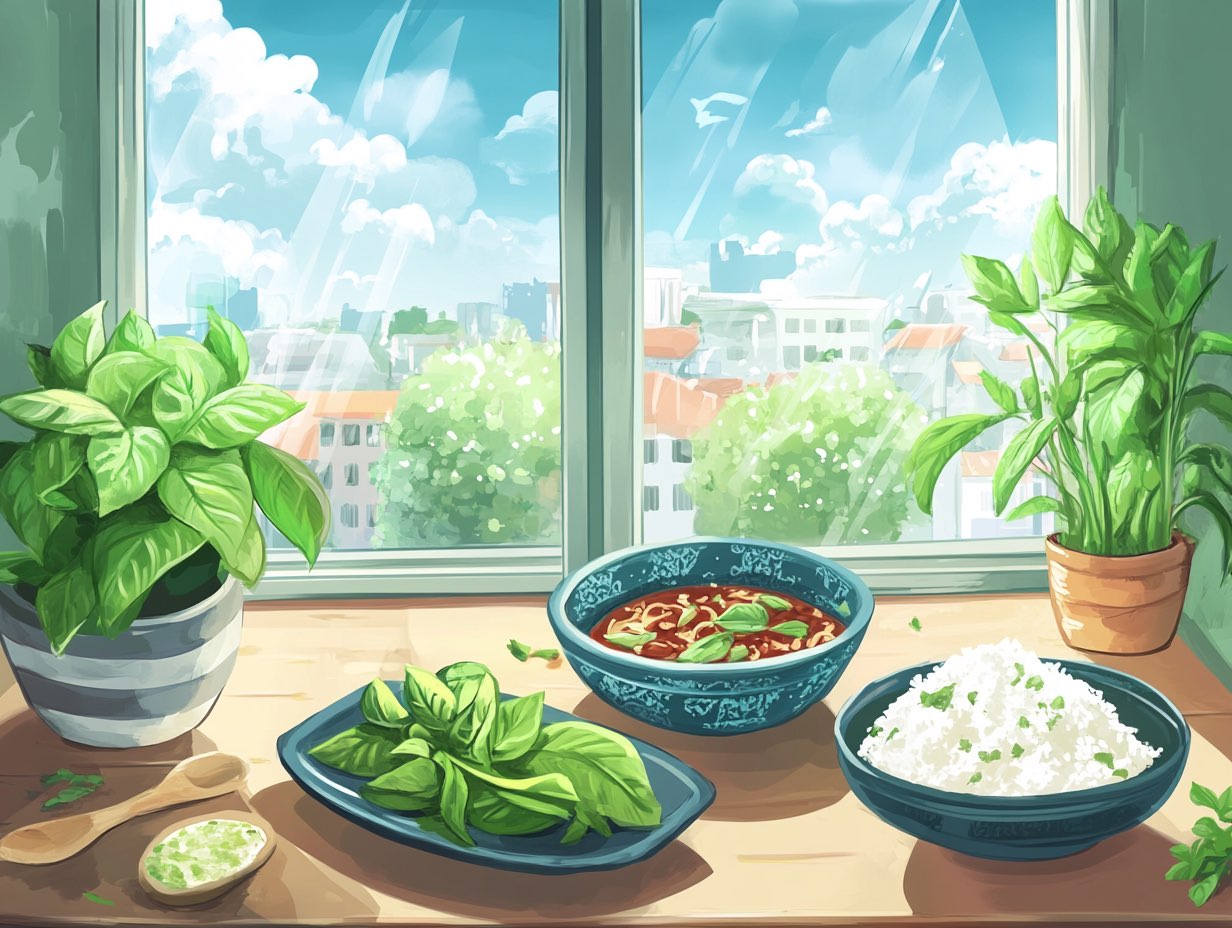
Mint:
As it sounds, this herb injects a bold mint flavour into a dish. Used primarily in salads and as a refreshing garnish, Thai cuisine adds a distinct and fresh flavour to curries, salads, and fried rice. Mint it is also used in dishes like Thai chicken stir-fry with basil and mint, a dish that can also be made with pork instead of chicken. Just like other herbs, mint has a range of health benefits, including:
- Helping with digestion.
- Managing cold and flu symptoms such as phlegm.
- Reducing headaches.
- Soothing skin irritation.
- Managing stress.
- Improving allergy symptoms.
- Enhancing brain function.
- Reducing nausea during pregnancy.
- Improving stamina and power when exercising.
- Promoting good eye health.
- Kills some types of bacteria, fungi and viruses.
Cooking Tips:
It is important you store herbs properly, how you store them will depend on the herb. Soft, fresh herbs such as coriander and parsley, should be stored in a loose plastic bag in the fridge. Woody fresh herbs like oregano and rosemary, should be wrapped in a damp paper towel and stored in a loose plastic bag in the fridge. Whereas basil should be kept at room temperature in a light spot but not in direct sunlight. Dried herbs can be stored in a cool, dry, dark place, in the cupboard they can last for 3 months, but in a fridge or a freezer they can last for up to a year. Dehydrated herbs need to be stored in sealed jars. Correct preparation of herbs is also important. Before you do anything, you should wash them under cool running water and either pat them dry with paper towels or in a salad spinner. For herbs like basil and mint, you need to pull the leaf off the stem, whereas with herbs such as parsley and dill, you need to cut the stems close to the leaves. Rolling herbs tightly and making one thin cut all the way down helps to reduce oxidation and browning.
Cultural Significance:
In Thailand, herbs play a crucial role in the culinary field, but also in the culture of the country. Herbs are used in Thai ceremonies and rituals, for example, they are used in offerings to Buddhist temples, as well as in Thai weddings and healing ceremonies. As well as having a cultural significance, herbs are also used in Thai medicine to make herbal remedies that have been passed down from generation to generation.
Thai food is notoriously easy to cook, which means you can try to make Thai dishes using some of these herbs yourself. Alternatively, visit a local Thai restaurant and experience the vibrant flavours of Thai herbs first-hand. For more insights into Thai cuisine, be sure to follow this blog.