


Jasmine rice is an integral part of Thai cuisine in both traditional and modern Thai dishes, due to its unique flavour, aroma and texture. This type of long-grain rice is mainly grown in the northeast of Thailand, but is most commonly eaten in the southern and central regions, where it is a staple part of the diet. Jasmine rice is special because of its light floral aroma, coupled with its soft and slightly sticky texture when cooked. It’s natural fragrance and texture, perfectly complements Thai dishes, balancing out the flavours, smells, and tastes perfectly. Unlike other rice, such as the firmer and drier basmati rice, jasmine rice is renowned for its fluffy feel and gentle scent, that truly makes it a pleasure to eat.
What is Jasmine Rice?
Jasmine rice is a long-grain variety of fragrant rice. There are two types of aromatic long-grain rice, the other being basmati, despite these two rice types falling under the same category, they are not interchangeable.
The aroma of Jasmine rice is reminiscent of popcorn and pandan (which is a tropical plant with fragrant leaves), with a slightly sweet flavour. Although the grains are somewhat sticky when they are cooked, jasmine rice is still less sticky than glutinous rice. There are a couple of varieties of jasmine rice:
- White jasmine rice: this is often the preferred basmati rice due to its texture, taste and ease of digestion.
- Brown jasmine rice: this has greater health benefits than white jasmine rice, it decreases cholesterol and has vitamins and antioxidants
Cultural Significance of Jasmine Rice
Jasmine rice is a symbol of prosperity, purity and abundance, especially in Thailand, reflecting the importance of rice in Thai agriculture. It is deeply ingrained in Thai culture and is often served at family gatherings and celebrations, and it is also used in various religious ceremonies and festivals, reflecting its spiritual significance.
Further afield, jasmine rice has a global significance. With Thai food gaining popularity in regions across the world, jasmine rice has become a symbol of global interconnectedness, representing the blending of cultures.
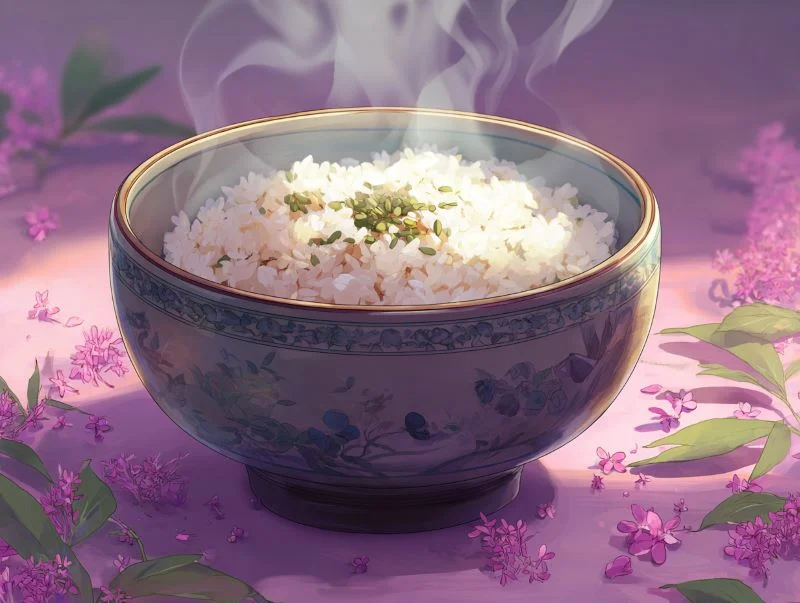
Meals with Jasmine Rice
Jasmine rice is a diverse ingredient, used in a variety of meals. Lots of Thai (and Vietnamese) meals use jasmine rice, so let’s take a look at a few:
Side Dishes:
- Coconut Rice: made by cooking jasmine rice in coconut milk, usually with sugar and/or salt added.
- Cilantro Lime Rice: a zesty side dish, this is jasmine rice infused with lime juice and cilantro.
Curry accompaniment:
Steamed jasmine rice is the perfect accompaniment for:
- Thai curries (green, red and yellow)
- Chicken with Cashew Nut
- Nasi Lemak
- Hainan Chicken Rice
Other dishes:
Jasmine rice can also be used for a variety of other dishes, including:
- Pilaf dishes: fragrant pilaf dishes can be made vegetarian or with meat.
- Fried Rice: in dishes such as chicken fried rice, Thai fried rice, and kimchi fried rice.
- Rice Pudding: jasmine rice can be used to make a delicious and aromatic rice pudding, paired with fruits or other toppings. As well as rice puddings, it can also be used to make a variety of other desserts.
- One-Pot meals: such as chicken and rice casserole.
- Soups: jasmine rice is added to soups to absorb some of the broth.
- Salads: such as roasted butternut squash and rice salad
If you haven’t already, try using jasmine rice in one of your recipes and bring the taste of Thailand to your home.