

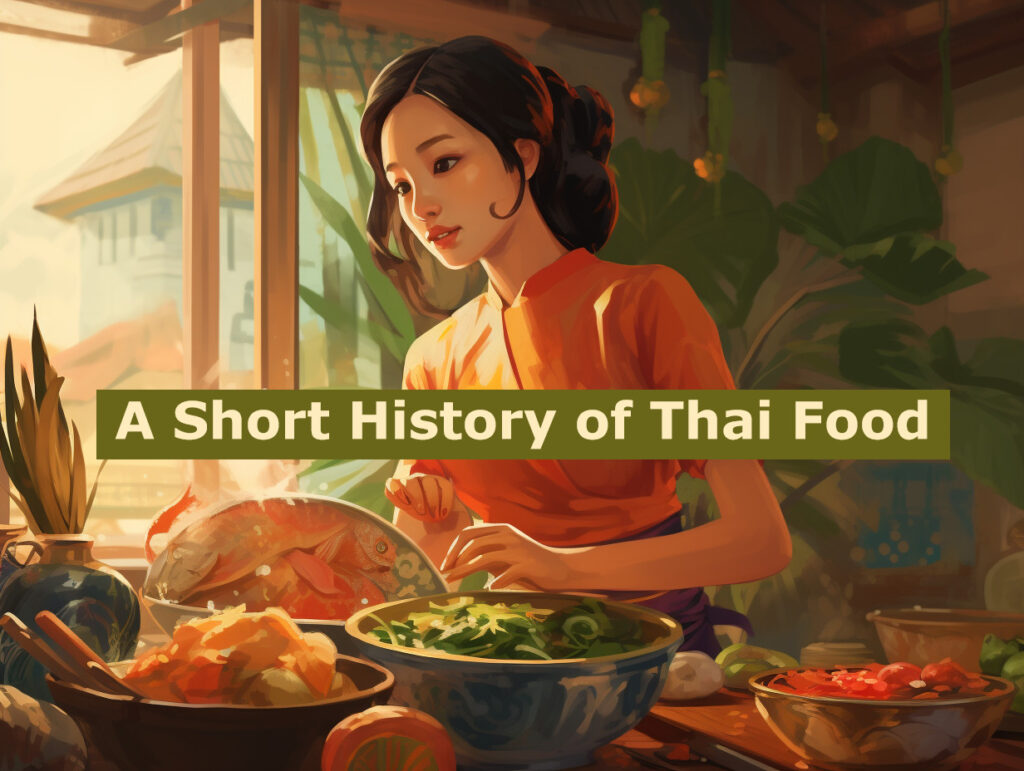
Thai food has a rich, lengthy history which stretches back to ancient times. Whet your appetite by learning all about the history of Thai cuisine, right here.
The whole world looks to Thailand with the upmost respect purely based on the aromatic, vibrant herbs used in the cooking style there. Envied the world over, Thai cuisine combines sweet, sour, spicy and salty tastes. Thai dishes reflect the diversity in cooking techniques and ingredients which have come from a history spanning thousands of years. A blend of historical, cultural, and geographical influences have all shaped the history of Thai food over the years.
Join us as we explore the origin story behind Thai cooking, and how this flavoursome delight managed to cross the seas to England and become a global superstar.
The Origins of Thai Food
We can trace the history of Thai food all the way back through the years to the ancient kingdom of Sukhothai. This ancient kingdom survived until the 14th century and would later become modern day Thailand, making Thai cuisine around 1,400 years old. The food of this ancient country took shape as formed by the influences of its neighbours. Situated between Malaysia, China, Cambodia, Indonesia, Myanmar and India, the cultures traded ingredients and shared cooking techniques. They would trade ingredients and flavours, allowing an expanded array of spices which each palate could borrow from.
The history of Thai cuisine remained free from western influences up until the 1500s when the Portuguese arrived. Later, when the chilli pepper arrived in Thailand, it would revolutionise cooking. Add in the arrival of rice from China and the shift began towards the modern Thai flavours you know and love today. Anything you eat in a Thai restaurant combines a mix of these new chillies and old traditions.
Thai food grew using a fish focused diet, with plant life being particularly important. The Thai culture relies on heady herbs like lemongrass and ginger to bring unique tastes to each dish. Each dish is formed by combining ‘traditions’. They must include the traditional ingredients, Stay true to their origins, stick to the traditions of taste, and follow the traditional recipes. These four markers mean each dish follows the rules needed to remain truly Thai. These are not the only principles Thai food includes, but they do form an important pointer throughout the history of Thai food.

When Did Thai Food Come to England?
Thai food crossed many seas to make it to England. How did it travel so far? The same way that there are Thai restaurants in America. Immigrants brought the knowledge and skills of Thai cuisine to England on the waves. You could find Thai cooking in England early in the 19th century when international trade picked up due to the industrial revolution. As migrants traded between countries, so too did the values, tastes, herbs, and fragrances of Thai cuisine. In the same way, Thailand received chip butties and fritters. It doesn’t seem like a fair trade.
Thai food truly became part of British culture in the 1960s and 70s, when an influx of migrants saw new restaurants popping up in big cities. The very first Thai food restaurant opened in London in 1967. Its name was Bangkok.
What is Unique About Thai Cuisine?
Eating Thai cuisine is so different from other foods because of the way the flavours balance in each dish. By following the traditions, Thai chefs create dishes which incorporate layers of flavour, or flavour depth.
A Thai dish might observe traditional recipes, ingredients, and complete balance, but still incorporate the garlics and chillis of the modern Thai cuisine. Each dish will incorporate saltiness, aromatic spices and herbs, spiciness, sweetness, and sourness. If the dish does not tick all these boxes, then it is not truly Thai. If a dish combines all of these elements and manages to incorporate each of the dishes, it is a perfected Thai dish. These are the dishes that earn Michelin stars.
What are the 5 Pillars of Thai Cuisine?
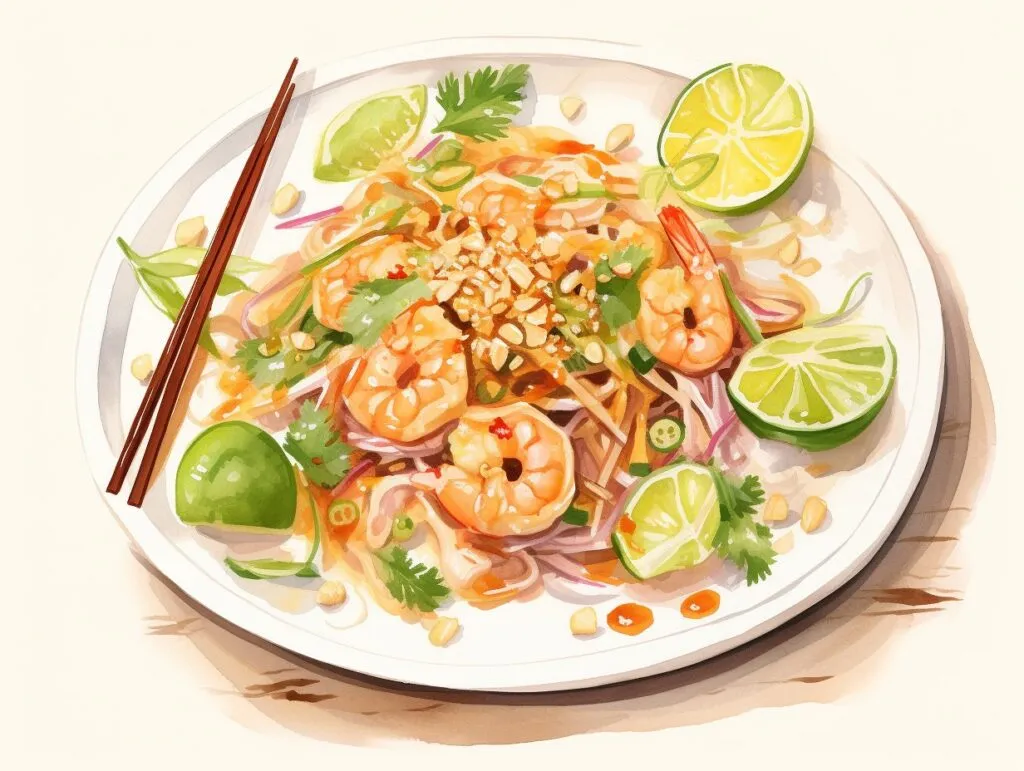
Those principles of sweetness, sourness, spiciness, saltiness, and heady, rich aromatic spices, all come together to form the five pillars of Thai cuisine. While Thai food has travelled the world over, there are always, and will forever be, these five pillars and the traditions behind them. As long as a Thai restaurant upholds these, it will create Thai cuisine reminiscent of the lakes and mountains of home.
The Five Pillars of Thai Cuisine
Find each of these five flavours incorporated into the masterful meals prepared at Siamais, Birmingham’s recipient of the Best Fine Dining award.
1. Spicy Flavours
Heat is a vital element within Thai cooking. It incorporates the fiery flavours of Bird’s eye chilli peppers, sweet peppers, pepper, turmeric, and cumin. The heat from the food clears out your nasal passages and sinuses, keeping your airways strong against cold and scorched of germs.
If you want to try a traditional spicy food from Thailand, opt for a Tom Yum soup or try the green Thai curry.
2. Sour flavours
Thai cooking relies heavily on citrus to bring out the spice and compliment any saltiness within the dish. To do this, Thai restaurants use limes, lemongrasses, tamarind pastes, and pineapple. A Thai Gaeng Som curry might include bamboo shoots, green papaya, and coconut shoots. Sweet and sour sauces are always fragrant and complimentary in Thailand.
3. Sweet Flavours
Anything sour must balance with a sweet taste in Thai dining. Curries are rich with the subtle sweetness of coconut milk. Palm sugars and sweet pineapples and coconut shoots are ingredients we associate with Thai dishes. Sweet chilli sauces, coconut rice dumplings, and Thai pancakes all lend themselves to sweet flavours.
4. Salty Flavours
Without salt to balance the sweetness, a dish can never truly be a Taiwanese one. Cooking and eating Thai food relies on salt as an ancient tradition. In the east it was not uncommon for warriors to pledge ‘salt’ as well as blood to their tribes. It was a valuable commodity, leading ancient Thai people to seek salt elsewhere. Fish sauce and soy sauce were the answer and are representative of the umami blend of flavours which make salty Thai cuisine so interesting.
5. Aromatic Flavours
Lastly, Thai cuisine owes its unique spark to the blends of aromatic spices, herbs, plants, and scents used in cooking. Ginger, garlic, lemongrass, pineapple, chillis, galangal, lime, and fish can all give punch to any Thai dish.
Where to Try Thai Food in Birmingham?
Book a table at Siamais Thai restaurant to try recipes from Thailand brought all the way to England for your pleasure. Taste Thai cuisine at its very essence and transport yourself back through time to those early days of simple, voluminous flavours. Try brunch, enjoy a summer menu, or stop by for drinks.
Curious which dishes best showcase these qualities? Explore the top 10 most popular Thai dishes to find your next favourite.