
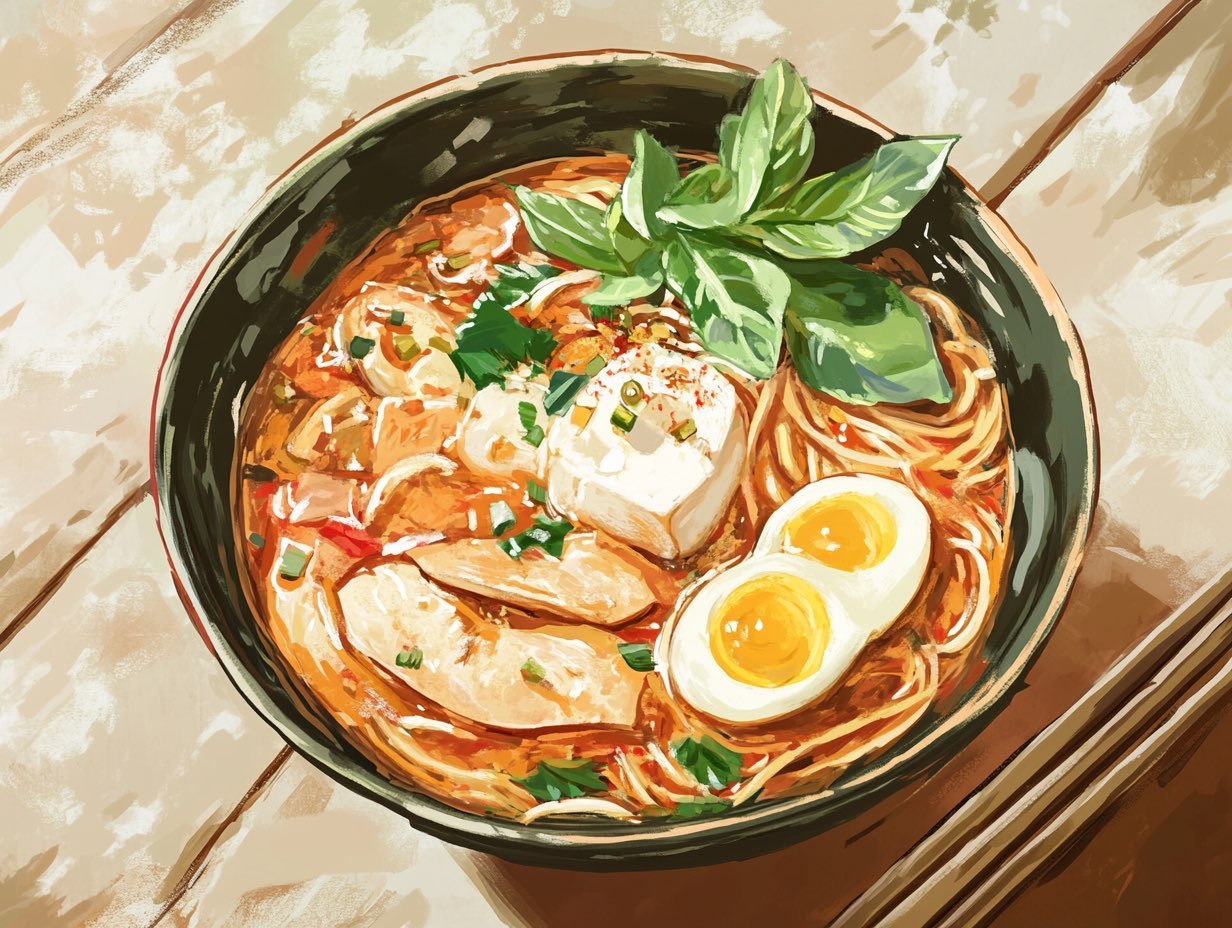
Since the 17th century, noodles have played a crucial role in Thai cuisine. Originally, they were a quick, tasty, efficient and inexpensive way of feeding the middle class. Now noodles are a staple part of Thai cuisine. In Thailand there are noodle vendors on almost every street, all selling different kinds of noodles, boasting different flavours, ingredients and aromas. Unlike other meals which include multiple dishes, noodles are a “one-plate” meal, all the ingredients are together in one bowl. This might sound simple or boring, but it’s quite the opposite, there are different varieties of noodles, various cooking methods and a number of meals all boasting individual tastes that are bold, well-balance with the aromas and very healthy. Thai noodles differ from Asian noodles in their texture, flavour and cooking methods.
Popular Thai Noodle Dishes
As noodles are so popular in Thailand, there are lots of different noodle dishes, all with something new and exciting to offer. Here are some of the most popular Thai noodle dishes:
Pad Thai:
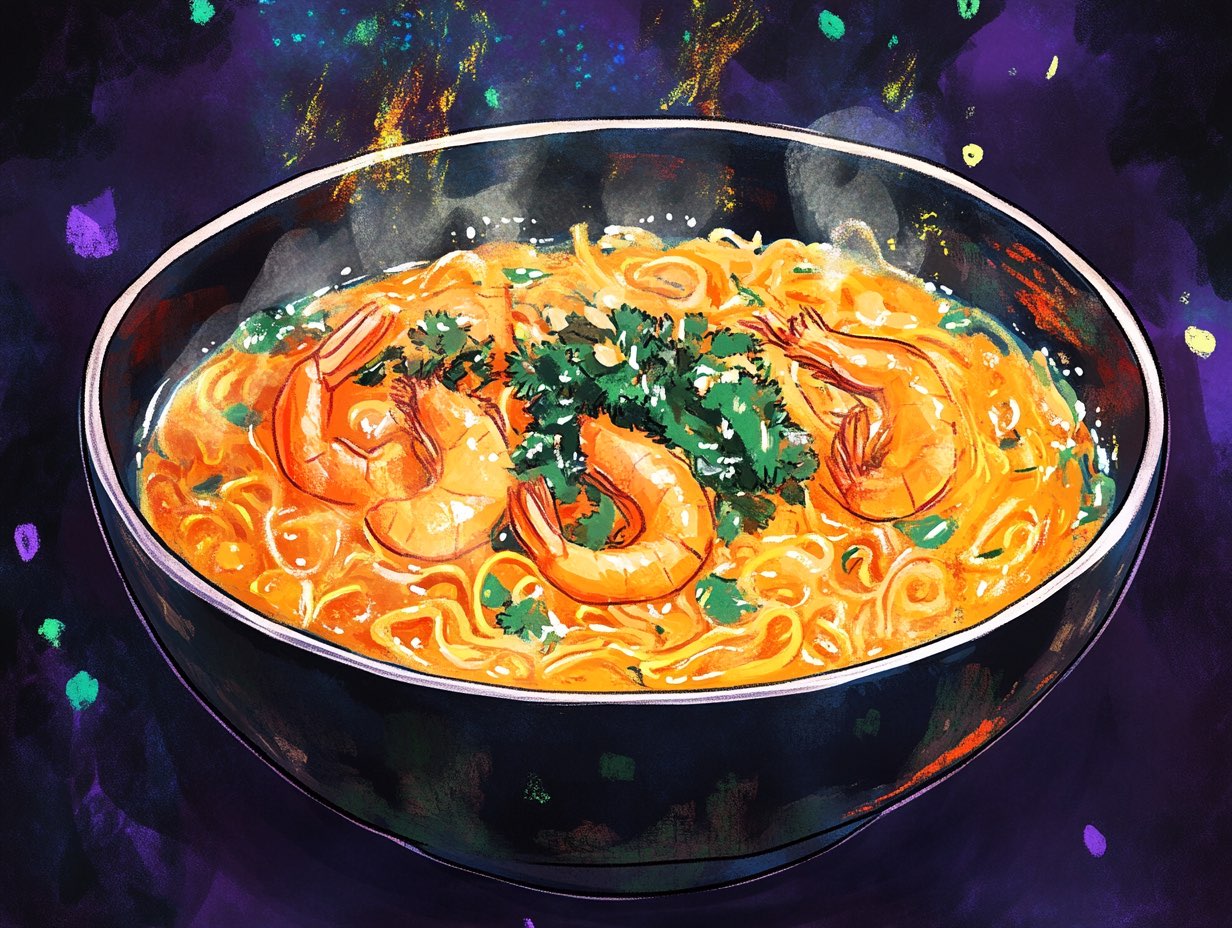
The Prime Minister of Thailand, Plaek Phibunsongkhram, developed and promoted Pad Thai as a national dish after the 1932 Revolution. The name translates to “Thai Sitr Fry” and it includes stir-fried rice noodles, tamarind, peanuts, as well as vegetables, protein (in the form of shrimp, chicken or tofu) and eggs, in a sweet and savoury (and salty) sauce. This dish is an incredibly popular street food in Bangkok and it is often the go-to dish for people new to Thai food and wanting to sample the rich flavours Thai cuisine has to offer.
Pad See Ew:
Made with wide rice noodles, this stir-fried dish is cooked in soy sauce and includes Chinese broccoli along with a variety of meat and vegetables to create a savoury and slightly salty flavour profile. Another popular street food found in Thailand, this hearty meal has a strong comfort food appeal.
Drunken Noodles (Pad Kee Mao):
Pad Kee Mao is loosely translated to drunkard stir fry. This dish is similar to phat si-io, but it is spicier and more aromatic. Made from rice noodles, the key ingredients to Pad Kee Mao are Thai basil, chili, garlic, and either meat or seafood. This dish boasts bold flavours and an aroma that is perfectly balanced with the taste, and it is a favourite among people who enjoy spicy food.
Khao Soi:
Served in Laos and Northern Thailand, Khao Soi is translated to “cut rice” and it is traditionally made from noodles, presented in a thick and rich coconut broth with protein such as chicken or beef. This creamy coconut, combined with a crispy noodle garnish and a hint of spice, provides an exciting and unique blend of flavours and textures.
Types of Noodles Used in Thai Cuisine
As you’ve seen from the small selection of popular noodle dishes we discussed above, Thai cuisine uses a range of different noodles, with each type of noodle providing a different texture and flavour. The different types of noodles include:
Sen Yai: “Yai” means “big”. This wide rice flat noodle is made from rice flour and tapioca starch, they are about ¼ inch wide and they come in large strings. These noodles are available fresh in vacuumed sealed packets (found in the refrigerated section of the supermarket) or dry. Sen Yai noodles are used in dishes such as Pad Kee Mao and Pad See Ew.
Sen Lek: “Lek” means “small”. These flat rice noodles are small in size, measuring about 1/8 of an inch wide and resembling flat linguini Italina pasta. Just like Sen Yai, these come fresh or dry, and there is a smaller noodle version which are used in Pho soups. Sen Lek noodles are used in a variety of dishes including Pad Thai, Boat Noodles Soup, Tom Yum with noodles and Pho.
Sen Mii: This angle-hair-like vermicelli noodle is thinner and a bit harder, used in soups and stir-fries such as Pad Mee and Mee Krob.
Guay Tiew: these are the widest rice noodles and they come rolled up in sheets in a packet, they are soft and supple and they are used in dishes like Pad See Ew, Rad Na, Guay Tiew Pad and Noodle Soups.
Ba Mee: These yellow-coloured noodles are made from egg and flour and are available in fresh and dried form, coming in a variety of shapes and sizes. Ba Mee noodles are used in Thia soups and stir-fried dishes, such as Kao Soi and Ba Mee Haeng.
Woon Sen: Known as glass noodles, bean thread noodles, mung bean noodles, or cellophane noodles, these clear noodles are made from peas, mung beans, or sweet potato starch. Woon Sen are typically found in dishes like Pad Woon Sen Salad, Woonsen Op, and Woonsen Noodle Soups.
Khanom Jeen: These are stickier fermented rice noodles which are usually found in curries like Khanom Jeen or Khanom Jiin Namya.
Tips for First-Time Tasters
If you’re new to noodles and you’re not sure where to start, which types of noodles you prefer in terms of taste and texture, or what meals are most suited to your pallet, the best thing you can do is to visit an authentic Thai restaurant and try them first-hand. A real Thai restaurant will be able to recommend meals to you, as well as sides, drinks and condiments that can enhance the flavours of your meal.
Noodles are a staple ingredient of Thai food for good reason and we encourage you to not only try the full range of noodles, but also the wide variety of meals they come in. If you’ve tried any of these noodles, or the meals we’ve mentioned here, we would to hear your thoughts, share your experiences with our readers.